
Frequently Asked Questions
GRIT Camps
What is GRIT’s mission?
At GRIT, our mission is to reignite curiosity in the skilled trades—the “lost art” of building, fixing, and creating with your hands. Through hands-on experiences in HVAC-R, Electrical, Carpentry, and Plumbing, we connect young people with real tools and real professionals. With the guidance of experienced tradespeople, students get the chance to explore their potential, build confidence, and discover the value of learning by doing.
What is a GRIT Camp?
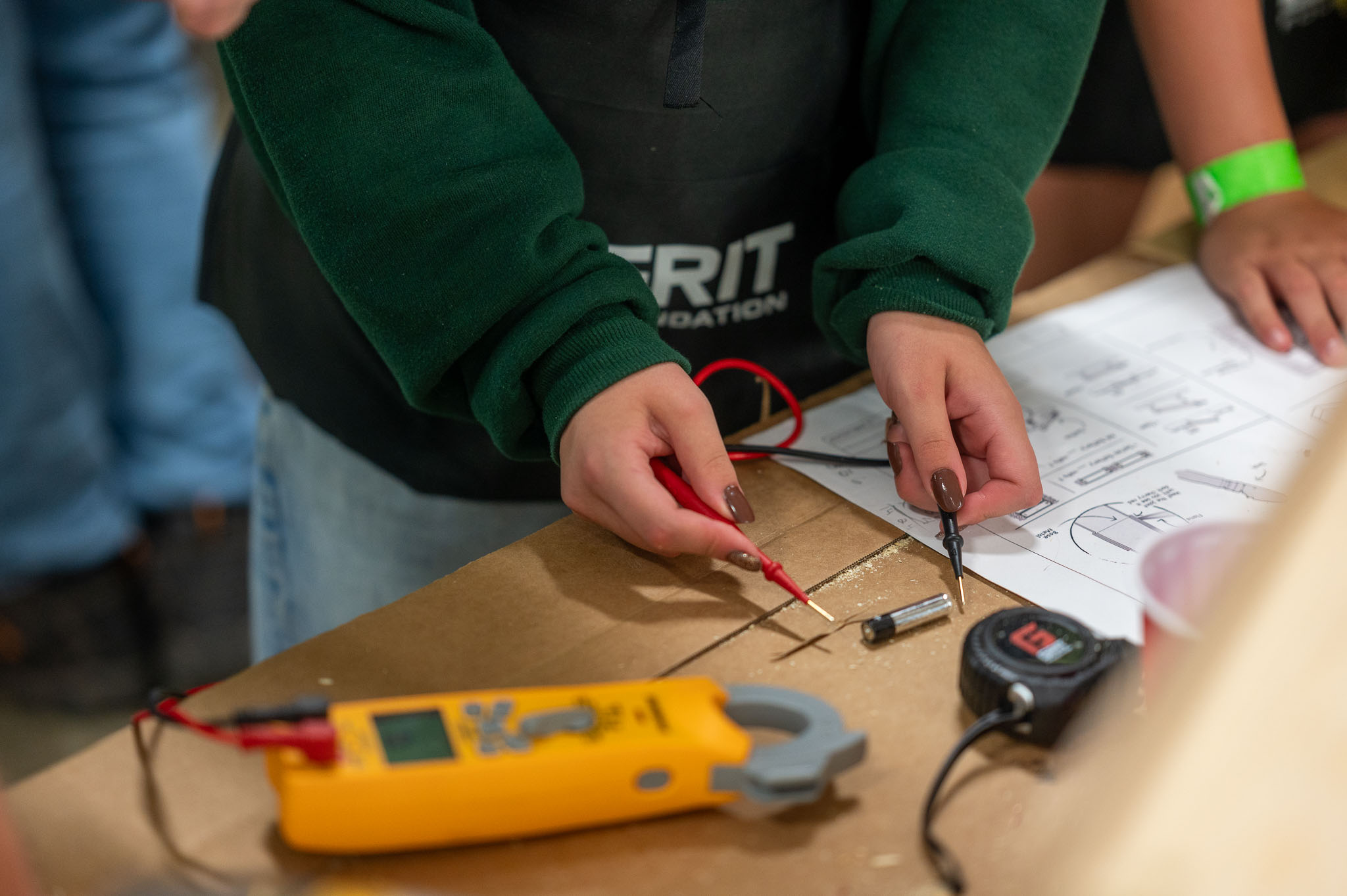
GRIT Camps are one-day, hands-on experiences for students ages 12–17 to discover the skilled trades. Guided by experienced tradespeople, students explore real skills in HVAC, electrical, plumbing, and carpentry—working with actual tools in authentic settings like contractor shops or training facilities.
How do I host a GRIT Camp?
Hosting a GRIT Camp means recruiting mentors (skilled tradespeople) and students (local youth) for a one-day, hands-on event.
Contractors, skilled trades professionals, and trades educators can collaborate to host a GRIT Camp. GRIT provides planning support, training guidance, and essential supplies like PPE and hand tools for students.
Contractors who host are encouraged to use their own team of trades professionals. Mentors and hosts review our GRIT Camp Guide, covering 6–7 trade modules that prepare them to lead students safely and effectively.
Hosts will meet with Leilani Orr and Ty Branaman, complete background checks, and handle materials, tools, and participant recruitment.
GRIT supports you with logistics, admin, and any questions along the way.
Camps require 1 mentor per 2 students and max out at 15 students.
What is a GRIT Workshop?
GRIT Workshops are
short-form, high-impact
, hands-on learning experiences designed to connect students and professionals directly with the world of the skilled trades.
Led by Ty Branaman, GRIT’s Head of Training, these 1 to 6 hour instructor-led workshops deliver immersive, discussion-driven learning in classrooms, training centers, and industry spaces without the full production of a GRIT Camp.
They are ideal for schools, contractors, manufacturers, and training programs seeking real-world skill development and engagement.
How do I host a GRIT Workshop?
Hosting a GRIT Workshop means recruiting students (either local youth or skilled tradespeople depending on the workshop), handling location logistics, and collect materials.
The first step of hosting a workshop is meeting with Leilani Orr to discuss in detail what a GRIT workshop would look like with your company.
Workshops are built to work with 20-50 students per session.
Complete this interest form to get started.
What skills do students learn?
Students learn real-world skills like safety practices, blueprint reading, tool use, carpentry, plumbing, brazing, and building electrical circuits—all through hands-on modules led by skilled trades professionals.
How can I get involved?
- Host an Event: We’ll help you plan and launch a GRIT Camp or Workshop in your area.
- Mentor or Volunteer: Skilled tradespeople can guide students throughout the camp. To ensure a safe learning environment, all mentors must pass a background check before participating.
- Donate: Charitable Contributions directly support materials, resources, and program expansion.
The best starting place is to complete our
and we will reach out to you.
Is GRIT Foundation a registered nonprofit organization?
Yes. The GRIT Foundation is a federally recognized 501(c)(3) nonprofit organization.
EIN (Tax ID): 33-1405549
IRS Determination Date: October 9, 2024
Public Charity Status: 170(b)(1)(A)(vi)
All contributions are tax-deductible to the fullest extent permitted by law.
How can I stay connected or get in touch?
Visit www.thegritfoundation.com to join our mailing list.
Email us at:
leilani@thegritfoundation.com
abby@thegritfoundation.com
GRIT Camps connect students with real tradespeople—contractors, technicians, and mentors—who share their knowledge through hands-on, question-driven learning. Together, we’re building curiosity, confidence, and respect for the essential work that keeps our communities running.